
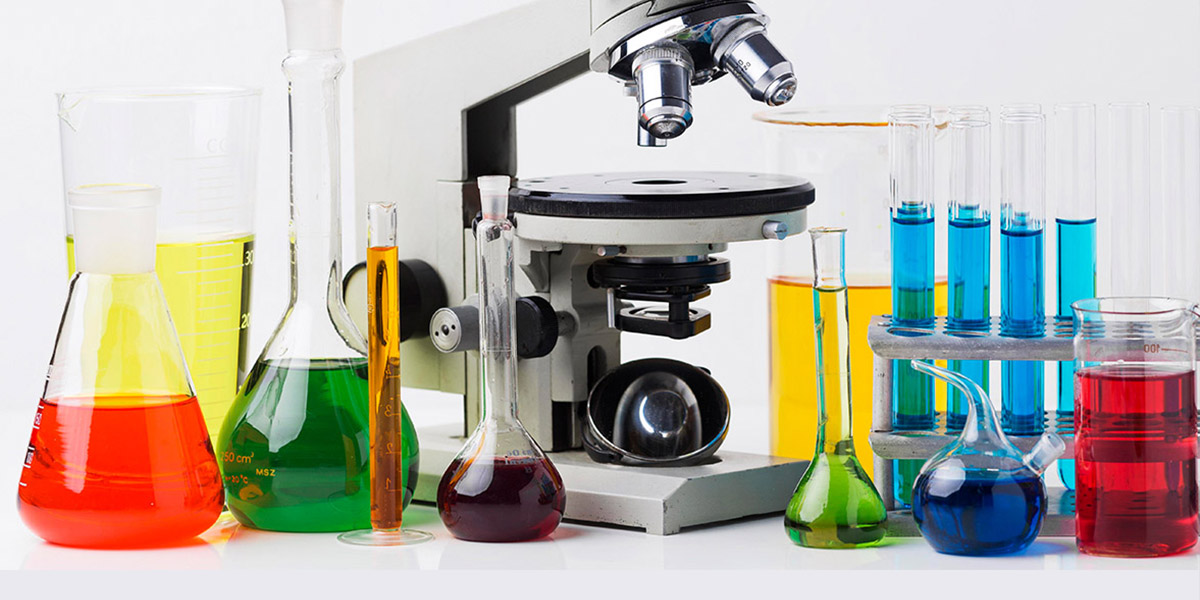
🧼 Lab Equipment Maintenance Tips Every Technician Should Know

Introduction

In any lab, the reliability of your data heavily depends on the condition of your instruments. Poorly maintained equipment leads to inaccurate results, downtime, and even safety risks. In this guide, we outline simple, effective maintenance practices every lab technician should follow.


1. Calibrate Regularly

Calibration ensures your instruments provide accurate measurements over time.

Tip:
Set a recurring schedule for calibrating balances, pH meters, pipettes, spectrophotometers, and analytical instruments like HPLC or GC.


2. Keep Equipment Clean

Dust, residue, or spills can interfere with accuracy and wear down components.

Tip:
Wipe down surfaces after use, clean nozzles and lenses, and use deionized water where needed. Always follow the manufacturer’s cleaning instructions.


3. Use Equipment Within Its Limits

Overloading or misusing lab equipment reduces lifespan and voids warranties.

Tip:
Understand the operating range of your devices and never exceed recommended temperatures, weights, or voltage.


4. Track Usage and Maintenance Logs

A written record helps you schedule preventive care and detect recurring issues.

Tip:
Use logbooks or digital tools to track calibration dates, maintenance, part replacements, and repairs.


5. Replace Consumables Promptly

Filters, seals, lamps, and electrodes wear out over time and must be replaced to maintain performance.

Tip:
Stock essential spare parts and train staff to spot signs of wear early.


6. Train Lab Users on Proper Handling

Human error is a leading cause of equipment damage.

Tip:
Ensure all users receive proper training before operating sensitive instruments. Post SOPs and quick guides near each station.


Conclusion

Proactive maintenance extends the life of your equipment and protects the quality of your research. Make it part of your lab culture—not an afterthought.


🛠 Need Help Creating an Equipment Maintenance Plan?

Visatech supports labs with custom SOPs, training, and preventive maintenance schedules. Talk to us today →
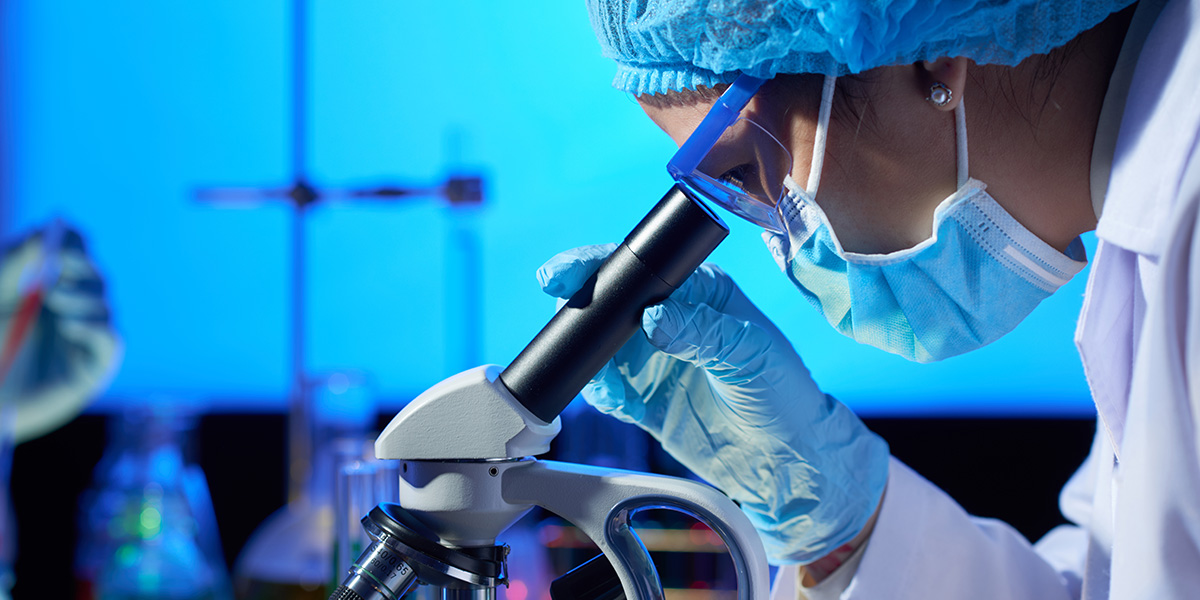
🧪 Top 5 Mistakes in Lab Sample Preparation (and How to Avoid Them)

Introduction

Sample preparation is the foundation of any reliable laboratory analysis. No matter how advanced your instruments or methods are, inaccurate or contaminated samples will always lead to compromised results. This article highlights the five most common mistakes researchers and lab professionals make during sample prep—and how to avoid them.


1. Using Improper Containers or Tools

Many errors start with using the wrong type of vial, pipette tip, or storage tube. Some materials may react with your sample or introduce contamination.

Avoid it by:

  • Using certified, inert, and sterile consumables
  • Ensuring compatibility with your test method (e.g., glass vs. plastic)

2. Cross-Contamination Between Samples

Cross-contamination can occur due to unclean instruments, improper labeling, or shared workspaces.

Avoid it by:

  • Using disposable gloves and pipette tips
  • Cleaning workstations between samples
  • Labeling samples clearly and securely

3. Inconsistent Sample Volume or Weight

Variability in sample quantity can lead to inaccurate comparisons and inconsistent results.

Avoid it by:

  • Using calibrated equipment (balances, pipettes)
  • Establishing SOPs for sample measurement
  • Recording exact quantities in lab notes

4. Poor Storage or Transport Conditions

Improper temperature, exposure to light, or delays in transport can degrade sensitive samples.

Avoid it by:

  • Using temperature-controlled containers when needed
  • Minimizing sample handling time
  • Following appropriate preservation protocols

5. Skipping Homogenization or Mixing

Uneven samples lead to unreliable test results. This is especially common with soil, water, and food matrices.

Avoid it by:

  • Mixing thoroughly before subsampling
  • Using standard homogenization methods
  • Documenting your prep method in reports

Conclusion

Clean, consistent, and careful sample preparation saves time, prevents rework, and ensures accurate results. By identifying and avoiding these common mistakes, your lab can maintain high standards and produce data you can trust.


✅ Need Help With Your Sample Prep SOPs?

Visatech offers customized lab training, equipment supply, and standard operating procedure support. Contact us today to improve your lab’s accuracy and efficiency.